Gardening Services in Chigwell

We provide gardening services in Chigwell with a practical focus on keeping outdoor spaces tidy, manageable and ready for everyday use. The work can include regular garden maintenance, lawn care, hedge trimming, garden clearance and broader landscape gardening where a more considered update is needed. If you want a straightforward service that keeps on top of the essentials, we can shape the work around the size, condition and planting of the garden.
The right approach depends on what is growing, how quickly it changes and what result you want to achieve. A lawn that needs routine mowing calls for different attention from a boundary hedge that has become too dense, while an overgrown plot may need clearance before anything else can be done well. We plan the work around the condition of the garden, so the finished result is not just neat for a day but easier to maintain afterwards.
Some customers are looking for regular upkeep, while others want a one-off visit to get a garden back under control. Our service is built to cover both, with sensible options for ongoing maintenance, seasonal tidying and larger improvement work. If you are comparing possible next steps, a clear written quotation request is the best starting point, especially where the garden has mixed tasks or areas that need different levels of attention.
Garden maintenance for ongoing tidiness
Garden maintenance is often the most effective way to keep a plot in good condition without letting small jobs build into bigger ones. That can include general tidying, pruning smaller growth, keeping paths and borders clear, managing weeds in visible areas and making sure the garden continues to look cared for between larger seasonal works. It is a flexible service, but it still needs a proper plan rather than a quick sweep-through, because different parts of a garden change at different speeds.
Maintenance work also benefits from consistency. A bed that is lightly weeded and edged regularly will usually stay more presentable than one left until every section has become tangled. Likewise, a garden with a mixture of shrubs, lawn and soft planting may need attention in a different order each visit. When you request a quotation, it helps to think about whether you need routine maintenance, a one-off tidy-up or a combined arrangement that covers both.
Common maintenance tasks can include:
- cutting back overgrowth that is starting to spill into paths or beds
- removing dead or tired material from planting areas
- keeping the lawn and borders visually balanced
- refreshing the overall appearance before a season change
Lawn mowing and grass care

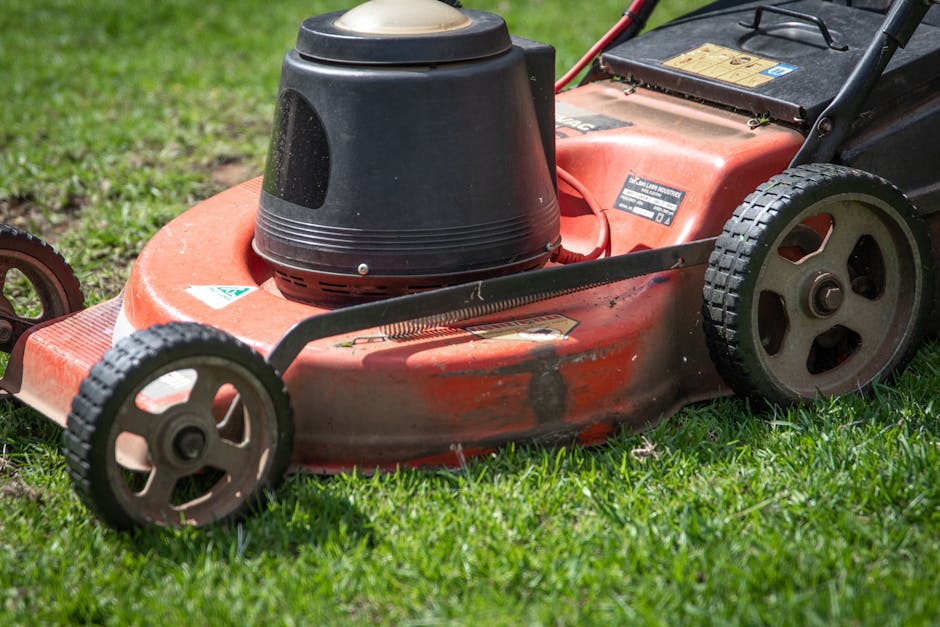
Lawn mowing is a core part of many garden visits, but good grass care goes beyond simply cutting the surface. The mower height, the condition of the grass, the presence of damp patches and the edge detail around paths and borders all affect the result. A neat lawn is often what gives the whole outdoor space a sharper appearance, so the quality of the finish matters as much as the speed of the cut.
In some gardens, mowing is only one part of the job because the grass has become uneven or the edges have spread into other areas. In others, the lawn is already in fair condition and simply needs regular attention to stay that way. We can also combine mowing with trimming around the perimeter and tidying the clippings where that makes sense. If you are asking for a price, it is helpful to mention whether the lawn is a single area or part of a larger, more varied garden.
Grass care is most effective when it matches the season and the condition of the lawn. Very long grass, patchy sections or awkward access can change the time needed for the work, while a simple routine cut may be comparatively direct. If you are unsure which level of service suits your garden best, an initial enquiry can focus on the lawn itself first, then any surrounding tasks can be added on as needed.
Hedge trimming and controlled shaping
Hedge trimming needs a balance between neatness and respect for the plant’s natural structure. A good trim removes the excess growth that makes the hedge look untidy, while still leaving it healthy and even. Depending on the species and the layout of the boundary, that might mean light shaping, a more definite reduction or careful work to keep sides and top level. Good trimming should leave the hedge looking intentional rather than clipped into a harsh outline.
Different hedges create different practical issues. A formal boundary may need sharper lines, while a softer mixed hedge may only need reduction and tidying. Access can also affect how the job is tackled, especially where a hedge runs close to fences, walls, driveways or planted beds. We keep the work focused on the shape and condition of the hedge, so the finished result looks clean without disturbing nearby features that do not need attention.
If your hedge trimming request is part of a broader garden visit, it can be helpful to combine it with other tasks such as lawn mowing or general maintenance. That often makes the visit more efficient and helps the garden look consistent, rather than finished in stages. For a simple next step, ask for a quotation and include the hedge length, approximate height and whether both sides need attention.
Garden clearance for overgrown spaces
Garden clearance is suited to plots that have become cluttered, neglected or difficult to manage as they stand. It may involve cutting back overgrowth, removing loose garden waste, clearing dead material and opening up areas that need a fresh start before other work can happen. The aim is to restore usable space and create a cleaner base for maintenance, planting or landscaping decisions afterwards.
Clearance is often more than a quick tidy because overgrown gardens can hide different problems in different corners. Some areas may only need vegetation reduced, while others may contain layers of cuttings, broken branches or old material that should be removed properly. It is usually best to think about the site in sections, especially if you want part of it made presentable first and another part brought back under control later. That lets the quotation reflect the real scope of the work rather than treating every garden the same way.
A well-handled clearance job should leave you with a safer, more workable space and a clearer view of what remains. It can be the starting point for future improvements, but it also stands on its own when the immediate need is simply to remove excess growth and restore order. If you have an overgrown garden and want a sensible plan, our team can help you decide what to clear first.
Landscape gardening and garden improvements
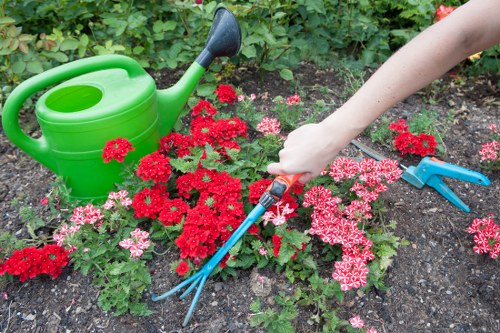
Landscape gardening is the part of the service that looks beyond routine upkeep and toward a more deliberate outdoor layout. It can involve reshaping borders, refining planting areas, introducing structure or helping an existing garden feel more purposeful. The exact work varies from one property to another, but the common thread is that the space is being improved rather than merely maintained. That makes planning important, because good landscape work should suit how the garden is used as well as how it looks.
Some gardens need a light redesign rather than a full transformation. For example, a tired area may benefit from clearer edges, better definition between lawn and planting, or a more coherent arrangement of features. Other spaces may call for a broader landscaping approach that ties together several parts of the garden. We can discuss practical options where the aim is to make the space easier to enjoy and simpler to look after.
When comparing possibilities, it is useful to separate the work into layers: what must be cleared, what can be retained, and what needs rebuilding or reshaping. That is often the most sensible way to decide on the scope and keep the quotation accurate. Good landscaping is about workable structure, not adding detail for its own sake, so the final layout should feel manageable rather than overcomplicated.
How we scope the work and prepare a quotation
Before we quote, it helps to understand the key parts of the garden and what you want achieved in each area. A simple lawn-only job is different from a mixed request involving hedges, borders and clearance, and the price factors will reflect that. Size is one element, but condition, access and the number of separate tasks matter as well. Where a garden is particularly dense or uneven, the time and equipment required may change accordingly.
You do not need to overcomplicate the enquiry. A short description of the space, the main tasks and any awkward points is usually enough to begin with. If the garden includes narrow access, uneven surfaces, a steep section or a lot of cut material to remove, those details should be mentioned. Clear information early on helps produce a quotation that is closer to the real work needed and reduces the chance of misunderstanding later.
Use this simple checklist when preparing your request:
- what you want done first
- which areas need the most attention
- whether the job is one-off or ongoing
- any features that need careful handling
About Chigwell
Chigwell is a settlement in Essex, positioned on the north-eastern edge of Greater London and linked historically to the wider district of Epping Forest. It is known for a mix of older streets, later suburban development and open green surroundings that sit close to the built-up parts of London. The area has long been associated with affluent residential character, but it also retains local village traces in its street pattern and historic buildings. Among the best-known landmarks is St Mary’s Church, a medieval parish church with later additions that reflects the long ecclesiastical history of the settlement. Chigwell also sits close to the River Roding valley and the forested landscapes of Epping Forest, giving the place a strong connection to woodland and open space. The tube station on the Central line links it to London, while the wider district includes neighbourhoods such as Chigwell Row and Chigwell Village. Local character is shaped by that mix of transport access, historic continuity and green boundaries. In literary history, Chigwell is often associated with Charles Dickens, who referred to it in Barnaby Rudge, helping to fix the name in the cultural imagination. Today, the area combines residential roads, schools, churches and nearby countryside access, with the historic and the suburban sitting side by side.
Regular visits and one-off garden work
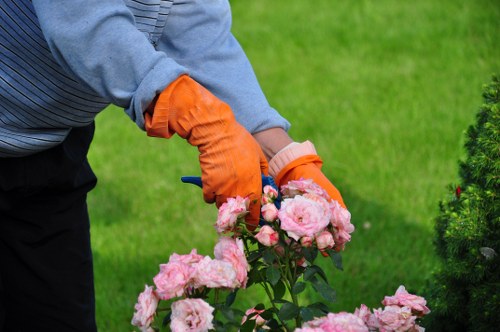
Some customers need a regular arrangement that keeps the garden under control through the growing season, while others need a single visit to restore order after a period of neglect or heavy growth. Both approaches can work well, but they serve different purposes. Regular visits are useful when the garden changes quickly, while one-off work suits situations where the main aim is to reset the space before deciding what to do next.
One-off work often combines several tasks in one visit, such as mowing, trimming and tidying, because that is usually the most efficient way to bring a garden back into shape. Ongoing maintenance, by contrast, is more about keeping the overall condition stable and avoiding large recovery jobs later. If you are not sure which approach is more suitable, think about how quickly the garden becomes untidy and how much time you want to spend on it between visits. The right plan is usually the one that matches the growth rate of the garden.
If you already know the basic aim, the next step is simple: tell us whether you are after a recurring service or a single clearance-style visit, and we can shape the quotation accordingly. That keeps the discussion direct and practical. It also makes it easier to align the work with your priorities, whether those priorities are appearance, manageability or preparation for later improvements.
Why clear access, boundaries and planting detail matter
Every garden is slightly different in the way it is laid out, and that affects how the work is approached. A straight lawn with open access is not the same as a narrow side return with steps, established planting and several boundary edges to work around. The more clearly the layout is understood, the easier it is to plan sensible work and avoid unnecessary disruption to beds, paving or structures that do not need attention.
That is also why mixed gardens often benefit from a short description of the main features before the visit. If there are mature shrubs to preserve, fragile plants near the boundary, or areas where waste needs to be moved through tight access, those details can change how the work is organised. The aim is not to make the process complicated; it is to make sure the service fits the garden rather than forcing the garden to fit the service.
In many cases, the most useful quotation is the one that separates essential work from optional extras. That lets you decide whether to complete everything together or stage the work over time. Clear boundaries, clear tasks and clear priorities make for a more useful outcome, especially where the garden has both maintenance and improvement needs.
Choose the right level of garden care

Some gardens only need a tidy finish, while others need deeper attention because the layout, planting or grass has slipped out of shape. Choosing the right level of garden care is about matching the service to the current state of the space. A simple upkeep visit, a hedge trim or a lawn cut can be enough in a well-kept garden, but a neglected plot may need clearance first before anything else is worthwhile.
That is why it is sensible to start with the main issue rather than trying to describe everything at once. If the most visible problem is the lawn, lead with that. If the hedge is dominating the boundary, make that the focus. If the garden has become crowded and hard to use, clearance is likely the place to begin. We can then work through the rest of the site in a way that makes sense for the condition of the space. Practical priorities usually produce the best results.
When you are ready, send a brief summary of the work you have in mind and ask for a quotation. If the job is straightforward, that may be all that is needed. If it involves several areas, mention the main ones in order of importance so the estimate reflects the full picture. Request your quotation today and we will help you plan the next step.