Garden maintenance on Lambourne Road estates Chigwell
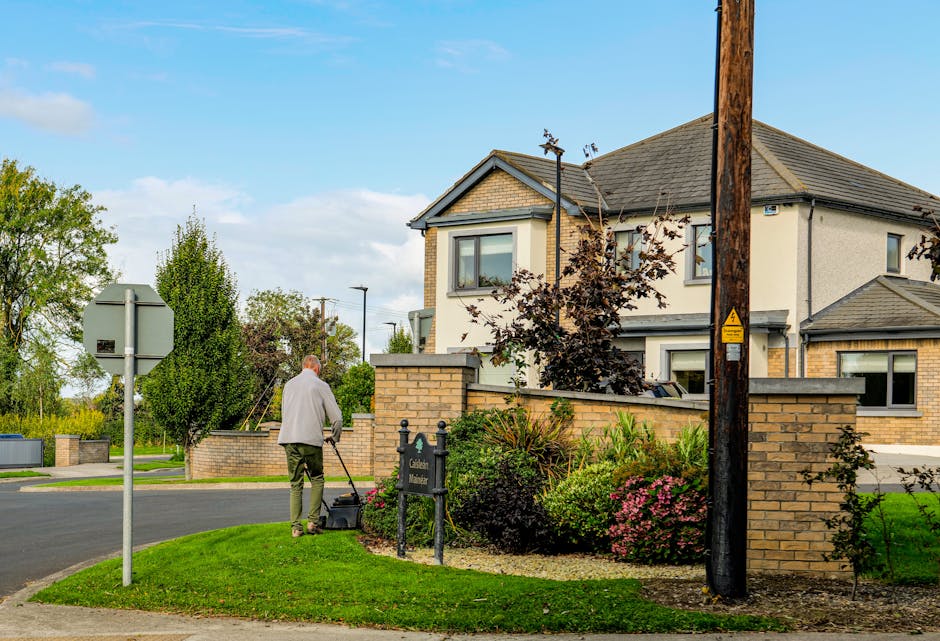
If you live or manage property on Lambourne Road estates in Chigwell, garden maintenance can be one of those jobs that looks simple from the window and then quietly eats your weekend. One week it's a tidy lawn and clipped borders; the next, there are hedges leaning out, leaves building up in corners, and a path that feels a bit less welcoming than it should. Garden maintenance on Lambourne Road estates Chigwell is really about keeping outdoor space safe, neat, healthy, and in step with the character of the property. Done well, it saves time, protects planting, and stops small issues turning into expensive ones.
In this guide, we'll walk through what regular maintenance involves, why it matters in an estate setting, how the work is usually planned, and what to watch for if you want consistently good results. We'll also cover practical checklists, common mistakes, and the sort of standards that sensible homeowners, landlords, and property managers tend to expect. Nothing fluffy. Just the useful stuff.
Why Garden maintenance on Lambourne Road estates Chigwell Matters
Estate gardens carry a different set of expectations from a single, small front garden. The planting often frames the whole property, the lawns are more visible, and access routes, shared boundaries, or communal edges can all affect how the space is used. So, garden maintenance here is not just about making things look nice. It's about keeping the estate functioning properly.
On a practical level, regular maintenance helps reduce trip hazards, manages overgrowth, keeps views open, and preserves the shape of hedges, shrubs, and lawn areas. It also matters for first impressions. A well-kept approach, a healthy lawn, and tidy edges say a lot before anyone even reaches the front door. Truth be told, most people notice the garden before they notice the house.
There's also the long-term side of it. If a lawn is cut correctly and not scalped every time, if hedges are trimmed at the right point in the season, and if beds are kept free from invasive weeds, you avoid a lot of preventable decline. Neglect often starts quietly. A missed mow here, a build-up of leaves there, and suddenly the place feels harder to manage. It snowballs. Gardens do that.
For larger estates, good upkeep supports consistency across the whole site. One neglected corner can make the rest look unfinished, even if everything else is in good shape. That's why many residents and property managers look for a steady maintenance schedule rather than an occasional rescue job. If the outdoor space is important to the value, comfort, or image of the property, it deserves regular attention.
How Garden maintenance on Lambourne Road estates Chigwell Works
In most cases, maintenance starts with a quick assessment of what actually needs attention. That sounds obvious, but it matters. A good gardener will not simply arrive and start cutting everything down to the same height. They'll look at the condition of the lawn, the growth rate of hedges, seasonal debris, weed pressure, access points, and any features that need gentler handling, such as decking, borders, or young shrubs.
From there, the work is usually grouped into routine tasks and seasonal tasks. Routine work covers the basics: lawn mowing, edging, pruning, weeding, sweeping, deadheading, and keeping paths clear. Seasonal work is more targeted. In spring you may be dealing with fresh growth, in summer with watering and shaping, and in autumn with leaf fall and final cuts before growth slows. Winter tends to be more about keeping things tidy, safe, and protected from weather damage.
Many estate gardens benefit from a rolling plan rather than a single one-off visit. That might mean weekly or fortnightly lawn mowing during peak growth, hedge trimming at set intervals, and occasional garden clearance when a border has become clogged with old growth. The rhythm matters because outdoor space changes fast in the UK. A neat garden in early May can look surprisingly unruly by the end of the month if nobody is keeping an eye on it.
If extra work is needed, the scope can widen into related services such as lawn mowing, hedge trimming, garden clearance, or broader landscaping. That gives you flexibility without having to juggle lots of separate contractors for a fairly straightforward job.
Key Benefits and Practical Advantages
The obvious benefit is appearance, but that's only the beginning. Good maintenance helps your garden work better day to day. It feels easier to use, easier to enjoy, and easier to keep under control. You notice the difference straight away when you step outside in the morning and the lawn is even, the edges are sharp, and there isn't a pile of clippings or dead leaves in sight.
- Better kerb appeal: tidy planting and clean lines make a property feel cared for.
- Healthier grass and shrubs: regular care encourages stronger growth and reduces stress on plants.
- Fewer emergency jobs: routine work stops overgrowth, clutter, and neglected corners from building up.
- Safer outdoor areas: clear paths, visible steps, and managed borders reduce everyday hazards.
- More predictable costs: planned maintenance is usually easier to budget for than repeated tidy-up calls.
- Less weekend stress: perhaps the most underrated benefit. You get your time back.
There's also a subtle but real comfort factor. A well-managed garden tends to feel calmer. It smells fresher after a cut, looks more open after pruning, and feels like part of the home rather than a chore hanging over you. That matters on a residential estate where outdoor areas are part of daily life, not just decoration.
If you're weighing up ongoing care versus occasional repair, it usually helps to think in terms of prevention. Regular maintenance is the boring choice. And the sensible one. The kind that saves you from larger headaches later.
Who This Is For and When It Makes Sense
Garden maintenance on Lambourne Road estates Chigwell is a good fit for a few different types of people. Homeowners often want a reliable way to keep the garden presentable without spending every Saturday with a mower. Landlords and managing agents may need the space to look consistently maintained between tenancies or across shared areas. Families might simply want a garden that's usable again, rather than a patchy mix of weeds, half-cut grass, and overgrown shrubs.
It also makes sense if the garden has features that need more than basic DIY attention. Long hedges, mature trees, layered borders, and sloped lawns can all become awkward or even risky without the right kit and a steady hand. If the garden has decking or hard landscaping too, the maintenance plan may need to take those surfaces into account so that damp, moss, or debris do not create problems elsewhere. In that case, related pages like decking services and landscape gardening may be useful to explore alongside routine upkeep.
It makes sense when:
- the garden is visible from the street and presentation matters;
- growth is fast and hard to keep on top of;
- the estate has shared or semi-shared outdoor areas;
- you want a maintenance routine rather than repeated clean-ups;
- the property is being prepared for sale, letting, or a seasonal refresh;
- you've noticed that small jobs are turning into bigger ones.
A quick reality check helps here. If the garden only needs a light tidy once in a while, you may not need a complex plan. If it constantly looks one step away from getting away from you, then a proper maintenance schedule is probably the better shout.
Step-by-Step Guidance
Here's a sensible, practical way to approach estate garden maintenance without overcomplicating it.
- Start with a full walkaround. Look at lawns, hedges, beds, borders, paths, fences, and any awkward corners. Note what is genuinely urgent and what can wait.
- Separate routine from seasonal work. Lawn care and weeding may be regular tasks. Leaf clearance, heavy pruning, and planting changes are often seasonal.
- Prioritise safety and access. Make sure walkways, steps, and entrances are clear before anything cosmetic. A neat garden is good; a safe garden is better.
- Cut and shape with restraint. Don't over-trim hedges or scalp the lawn. Plants recover better when you avoid shocking them.
- Remove waste properly. A garden can look half-done if bags of clippings sit around for days. Clearing debris is part of the job, not an afterthought.
- Check moisture and drainage. If areas are constantly soggy, compacted, or bare, the maintenance plan may need to include light soil improvement or a broader landscaping fix.
- Review after each visit. A short review keeps the work consistent. What was missed? What is coming into season? What will need attention next month?
A useful habit is to keep a simple monthly note. Nothing fancy. Just a short record of what was done, what needs revisiting, and what looked a bit off. That makes it much easier to spot patterns, especially on larger estate grounds where the same issues repeat.
If the garden has become too cluttered to assess properly, a first-pass tidy can help before regular maintenance begins. In those cases, a one-off garden clearance may reset the space so ongoing care can actually work.
Expert Tips for Better Results
Small adjustments make a big difference over time. In our experience, the best-looking estate gardens are not always the ones with the biggest interventions. They're the ones that get steady, thoughtful care.
Tip 1: Keep mowing height sensible. Cutting grass too short may make it look neat for a day, but it stresses the lawn and can leave brown patches. A slightly higher cut is often healthier, especially during dry spells.
Tip 2: Don't trim hedges at the wrong moment. Strong hedge trimming is about timing as much as technique. Shape matters, yes, but so does seasonal growth. A rushed cut can leave the hedge looking flat or patchy for months.
Tip 3: Work from the edges inwards. If the borders, paths, and lawn edges are clean, the whole garden looks more intentional. It sounds simple, and it is. But simple works.
Tip 4: Watch for hidden buildup. Leaves trapped behind bins, weeds under shrubs, and moss along shaded paths are easy to miss. These little pockets make a garden feel untidy even when the main areas are fine.
Tip 5: Match maintenance to the site. A formal estate frontage needs different care from a more relaxed family garden. One shouldn't be treated like the other. That's a common mistake, and an annoying one.
Tip 6: Use sustainability where possible. Composting suitable green waste, avoiding unnecessary chemical treatments, and choosing planting that suits the site can all make future maintenance easier. The page on recycling and sustainability is useful if you want a greener approach to ongoing care.
And yes, sometimes the best tip is simply this: don't let it get away from you. Gardens are much easier to maintain than rescue.
Common Mistakes to Avoid
Most garden problems on estates are not dramatic. They're accumulations. A missed cut becomes an awkward hedge. An overlooked path becomes slippery in wet weather. A few weeds become a border full of them. That's how it tends to happen.
- Over-cutting lawns: it weakens grass and increases the chance of patchy recovery.
- Using the same routine all year: summer and winter maintenance are not the same thing.
- Ignoring drainage issues: standing water or persistent damp will undermine even good maintenance.
- Leaving waste behind: clippings, broken branches, and leaf piles make a garden feel unfinished.
- Pruning without a plan: random cuts can damage shape, flowering, and long-term structure.
- Forgetting shared areas: on estates, one neglected strip can spoil the whole look.
- Choosing the cheapest option without checking scope: low quotes can hide a very limited service.
One slightly awkward truth: a tidy garden and a healthy garden are not always the same thing. Some quick fixes make things look better for a week, then the underlying issue returns. That's why it helps to ask what is being maintained, how often, and what happens if weather interrupts the schedule.
Tools, Resources and Recommendations
You do not need a shed full of specialist kit for decent estate maintenance, but the right tools matter. A reliable mower, sharp shears, a proper line trimmer, pruning tools, rakes, leaf collectors, and a way to move waste efficiently all make life easier. For heavier work, larger equipment or experienced help becomes more sensible than forcing things by hand.
If you're arranging maintenance professionally, it helps to think in terms of service structure rather than just tools. A clear scope of work should cover mowing frequency, hedge and shrub attention, weeding, edging, debris removal, and any optional extras like seasonal tidy-ups. That way nobody is guessing. Guessing is where trouble starts.
Useful related pages to consider when shaping a broader care plan include services overview for the full picture, pricing and quotes if you're budgeting, and garden maintenance if you want a clearer view of the core service itself.
| Task | Good for routine care | Better as occasional or seasonal work |
|---|---|---|
| Lawn mowing | Yes, especially in growing season | Not usually |
| Hedge trimming | Sometimes, for light shaping | Yes, for stronger seasonal cuts |
| Weeding | Yes, small and regular control works best | Only if a border has been left to build up |
| Leaf clearance | Yes in autumn, and after storms | Often seasonal |
| Tree work | No, not as routine garden care | Yes, when there are safety or size concerns |
If trees are shading the garden heavily or creating maintenance issues, a specialist visit may be needed. In those situations, tree lopping and removal can be relevant, but only where it's genuinely appropriate. Big cuts should never be treated casually.
Law, Compliance, Standards, or Best Practice
For domestic estate gardens, the main rule is usually common sense backed by good practice. That said, there are still important duties around safety, waste handling, and avoiding nuisance to neighbours. If you're managing a larger property or shared grounds, the expectation is generally that outdoor areas are kept reasonably safe and maintained to a standard that avoids preventable hazards.
Best practice in the UK usually means using competent people for work that carries risk, especially where ladders, power tools, heavier cutting equipment, or tree work are involved. It also means checking insurance, understanding what is included in a quote, and making sure green waste is handled responsibly. You do not want clippings left blocking access, and you definitely don't want a half-finished job with tools left out in the rain.
If safety, access, or site conditions are a concern, it is sensible to ask how the work will be carried out. A good provider should be able to explain methods in plain English. Pages like insurance and safety and health and safety policy can help you understand the kind of assurances a professional setup should give.
For payment questions, written terms, and what happens if plans change, it is also worth looking at payment and security and terms and conditions. That's just sensible due diligence, really.
Options, Methods, or Comparison Table
There are a few sensible ways to manage garden upkeep on Lambourne Road estates Chigwell, and the right one depends on budget, time, and the condition of the site.
| Approach | Best for | Pros | Limitations |
|---|---|---|---|
| DIY upkeep | Small gardens, hands-on owners | Low direct cost, flexible timing | Time-consuming, inconsistent, harder on larger or more complex sites |
| Occasional tidy-up | Seasonal resets or neglected spaces | Good for quick improvements | Doesn't prevent regrowth or recurring issues |
| Scheduled maintenance | Most estate gardens and managed homes | Consistent results, easier budgeting, fewer surprises | Needs planning and reliable communication |
| Full grounds care with related services | Larger or more complex properties | Best continuity across garden, hedges, trees, and hard surfaces | More detailed scope and coordination required |
If the grounds include structural features, you may also need support beyond planting and mowing. For instance, gardens with worn seating areas, timber features, or outdoor entertaining spaces often benefit from decking services alongside maintenance. Different jobs, same overall goal: keep the space working properly.
Case Study or Real-World Example
Here's a realistic example. A family on an estate near Lambourne Road had a front lawn that looked fine from a distance, but closer inspection told a different story. The edges were frayed, a hedge had crept outward by a foot or so, leaves had gathered behind a low wall, and the side passage was getting slippery after wet weather. Nothing dramatic. Just enough to make the property feel slightly tired.
Instead of trying to solve everything in one go, they split the work into parts. The first visit focused on a reset: mowing, edging, hedge shaping, and clearing debris. The second visit dealt with weeds in the borders and a simple maintenance routine for the next month. After that, the garden moved onto a lighter recurring schedule. No drama, no grand redesign. Just steady control.
The result was not a "transformed forever" story, because gardens don't work like that. But it did become much easier to manage. The family stopped dreading the weekends. The entrance looked better. The side path felt safer. And the whole place read as cared for again, which is really what most people want in the end.
That kind of result is often more realistic than chasing perfection. A garden that is clean, healthy, and consistent is usually a better outcome than one that looks showroom-perfect for two days and then collapses under its own maintenance needs.
Practical Checklist
Use this checklist if you're reviewing garden maintenance on Lambourne Road estates Chigwell or deciding what to request from a service provider.
- Is the lawn being cut at a sensible height and frequency?
- Are hedge lines neat without being over-cut?
- Are borders free from obvious weed buildup?
- Are paths, steps, and entrances clear and safe?
- Is green waste removed or neatly managed after each visit?
- Are seasonal jobs planned in advance rather than left to chance?
- Are tree-related issues being reviewed separately where needed?
- Does the work suit the layout of the estate, not just a standard template?
- Is there a simple way to review what was done and what comes next?
- Are pricing, scope, and expectations clearly explained before work starts?
If you can tick most of those boxes, you're in a good place. If not, the job probably needs a more structured approach.
Conclusion
Garden maintenance on Lambourne Road estates Chigwell is less about perfection and more about consistency. A good routine keeps the garden healthy, presentable, and easier to live with. It reduces the little frustrations that creep in when outdoor space is left too long, and it helps preserve the quality and feel of the property over time.
The best results usually come from a straightforward plan: regular mowing, sensible hedge trimming, weed control, seasonal cleanup, and proper attention to safety and waste removal. If the garden has become unruly, start with a reset. If it is already in decent shape, protect that progress with steady upkeep. Either way, the aim is the same: a garden that feels calm, usable, and looked after.
Get a free quote today and see how much you can save.
And if you're still deciding what level of care you need, that's fine too. A little clarity now can save a lot of faff later, and honestly, that's usually the nicest kind of garden decision.
Frequently Asked Questions
How often should garden maintenance be done on Lambourne Road estates Chigwell?
It depends on the size of the garden, the season, and how fast things grow, but most estate gardens benefit from a regular schedule rather than ad hoc visits. Lawns may need weekly or fortnightly attention during active growth, while hedges, borders, and paths can be reviewed less often.
What is usually included in routine garden maintenance?
Routine maintenance commonly includes mowing, edging, weeding, pruning, hedge shaping, leaf clearance, and general tidying. Some properties also need waste removal, light seasonal work, and checks for access or safety issues.
Is garden maintenance different from landscaping?
Yes. Maintenance is about keeping an existing garden in good condition. Landscaping is usually broader and may involve changing the layout, adding features, replacing planting, or improving hard surfaces. If you're considering both, landscaping is the better place to start for design-led changes.
Do estate gardens need more frequent care than small private gardens?
Often, yes. Estate gardens are usually more visible and may have shared or formal areas that need consistent presentation. A missed week on a larger site can show up faster than on a tiny private plot.
What should I ask before booking a maintenance service?
Ask what tasks are included, how often visits are recommended, how waste is handled, whether hedges and trees are covered, and what happens if weather disrupts the schedule. It's also sensible to ask about insurance and terms.
Can garden clearance be part of the first visit?
Yes, and in some cases it should be. If the garden has been neglected, a clearance visit can reset the space before routine maintenance begins. That usually makes the ongoing work more effective.
How do I keep maintenance costs under control?
The simplest way is to keep the garden on a regular schedule and avoid letting problems build up. Regular care is usually easier to plan and budget for than repeated emergency tidy-ups. Clear scope helps as well.
What if the garden has trees that are getting in the way?
If tree growth is affecting light, safety, access, or the overall shape of the garden, it may need specialist attention. In those situations, tree lopping and removal may be relevant, but only where the work is genuinely appropriate.
How can I tell if a provider is taking safety seriously?
Look for clear explanations of how work will be carried out, whether waste and tools are managed properly, and whether the provider can explain insurance and health-and-safety arrangements in plain language. That's usually a good sign.
What's the best time of year for a big garden tidy-up?
Spring and autumn are common times for larger tidy-ups because they fit the natural rhythm of growth and leaf fall. That said, the right timing depends on what the garden actually needs. A slightly messy summer border does not always need a dramatic overhaul.
Can maintenance include hard landscaping areas too?
Sometimes, yes. If the garden includes decking, paved areas, or other hard features, a maintenance plan may need to cover those spaces as well so the whole site stays safe and presentable. In that case, decking services can sit alongside garden care rather than being treated separately.
What is the most common mistake property owners make?
Probably waiting too long. Small issues like weeds, uneven mowing, or falling leaves are easy to ignore at first, but they quickly spread. A steady routine nearly always beats occasional catch-up work. Let's face it, gardens are happier when they are not being treated like a last-minute chore.