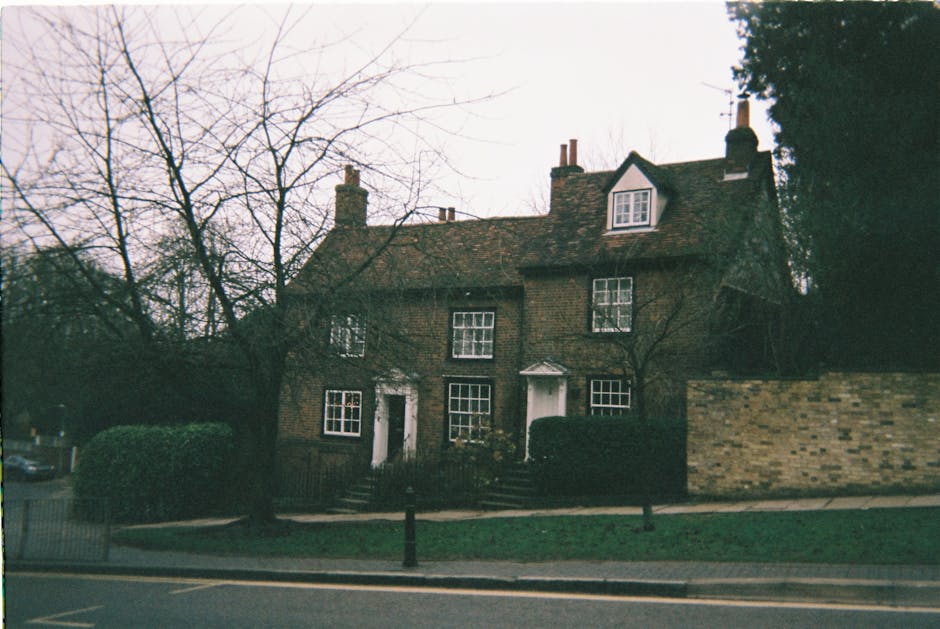
High Road Chigwell garden care for period property gardens
Period gardens ask for a steadier hand. On High Road Chigwell, where many homes carry the charm of older brickwork, mature boundaries and long-established planting, garden care needs to do more than "keep things tidy". It has to respect the house, protect character features, and still make the outside space usable through wet winters, bright spring growth and those surprisingly demanding summer weeks when everything seems to grow at once.
This guide to High Road Chigwell garden care for period property gardens explains what makes these gardens different, how to manage them well, and where the real value lies for owners who want a garden that looks considered rather than overworked. You will also find practical steps, common pitfalls, a comparison of maintenance approaches, and a checklist you can actually use. If you are exploring support from a local team, it helps to begin with a clear view of the wider garden services overview, then work out what your property truly needs.
Truth be told, period gardens rarely fail because they are neglected in dramatic fashion. More often they drift. A hedge grows a little too bold. The lawn thins near a shaded boundary. Old rose canes tangle into themselves. One season slips into the next, and the whole place loses its rhythm. That is exactly where thoughtful care makes all the difference.
Table of Contents
- Why High Road Chigwell garden care for period property gardens Matters
- How High Road Chigwell garden care for period property gardens Works
- Key Benefits and Practical Advantages
- Who This Is For and When It Makes Sense
- Step-by-Step Guidance
- Expert Tips for Better Results
- Common Mistakes to Avoid
- Tools, Resources and Recommendations
- Law, Compliance, Standards, or Best Practice
- Options, Methods, or Comparison Table
- Case Study or Real-World Example
- Practical Checklist
- Conclusion
- Frequently Asked Questions
Why High Road Chigwell garden care for period property gardens Matters
Period property gardens are not just outdoor areas. They are part of the architecture. A Victorian frontage, an Edwardian side return, or a house with an older suburban footprint all benefit from planting and maintenance that feel proportionate to the building itself. Get it right and the house reads more clearly from the road. Get it wrong and the garden can overpower the property, or worse, look like it belongs to a different decade entirely.
On High Road Chigwell, that matters because many plots have established structure already built in: mature hedges, long drive approaches, heritage-style planting, trees that have been there for years, and borders that have settled into a certain logic. Good care works with those features. It does not flatten them out.
There is also a practical side. Older gardens often contain hidden issues that modern, newly built plots do not. Soil may be compacted from years of footfall. Roots may be crowded. Drainage can be uneven. If a garden looks a bit tired in February and then suddenly explodes into growth by May, the underlying maintenance plan may simply be too reactive.
Key point: period gardens thrive on continuity. They do not usually need more intervention; they need better-timed, better-judged intervention.
That is why the work is as much about observation as it is about cutting, mowing or planting. A good gardener notices how the light moves across the beds, where moss gathers, which shrubs are shading the wrong part of the lawn, and whether the boundaries are visually closing in on the property. Small things, yes. But they add up fast.
How High Road Chigwell garden care for period property gardens Works
In practice, the work usually begins with a site assessment. Not the glossy sort. The real sort. What is the soil like? Which plants are worth keeping? Which ones are simply too large, too old, or frankly in the wrong place? Is the front garden trying to be formal, informal, or a bit of both? And what does the homeowner actually want from the space: presentation, privacy, pollinator value, easier upkeep, or all of the above?
From there, care tends to follow a rhythm rather than a one-off fix. That rhythm may include seasonal pruning, border management, lawn treatment, hedge trimming, weeding, deadheading, mulching, light reshaping, and rebalancing planting where the garden has become crowded. In a period setting, timing is especially important because harsh cuts can spoil structure and remove the soft, layered feel older gardens often depend on.
For example, an overgrown shrub beside an original bay window may need selective reduction rather than a hard chop. A lawn that has become patchy under mature trees may need a shade-tolerant approach rather than repeated bare repairs. And a front border that has lost its shape may need subtle editing, not a complete redesign. A bit less drama, a bit more judgement.
You will often see better results when maintenance is planned around the whole property, not just the garden in isolation. The path, entrance, walls, fence lines, steps and sightlines from the house all influence how the garden feels. That is particularly true on a busy road, where the front garden has to work hard visually. If you want the wider context of how a team structures care, the about us page is a helpful place to understand the approach behind the work.
Key Benefits and Practical Advantages
Well-managed period garden care is not just about appearance. It changes how the property functions day to day.
- Stronger kerb appeal: a balanced front garden makes the architecture look more intentional and well kept.
- Better plant health: regular pruning and deadheading reduce congestion and help shrubs, roses and perennials perform better.
- Less long-term damage: early intervention prevents roots, branches and self-seeded growth from causing bigger problems later.
- More usable outdoor space: clipped edges, clear paths and manageable borders make the garden feel calmer and easier to enjoy.
- Preservation of character: period features are protected when maintenance respects scale, symmetry and planting style.
- Lower stress for owners: instead of a huge seasonal catch-up, you get a garden that stays under control.
There is a quieter benefit too. A period garden that feels cared for tends to encourage better habits. People use it more. They water more attentively. They notice what changes. It sounds small, but it matters. Gardens respond to attention, and older gardens especially seem to prefer it.
Another practical advantage is predictability. If your garden is maintained regularly, you are less likely to face the classic spring shock: everything has surged, half the beds are full of weeds, and the hedge is suddenly an architectural feature of its own. Been there? Most homeowners have, to be fair.
Who This Is For and When It Makes Sense
This kind of garden care suits homeowners who value the character of an older property and want the garden to match it. It is especially relevant if the garden includes heritage planting, mature trees, established shrubs, formal borders, clipped hedging, or hard landscaping that should not be disturbed carelessly.
It also makes sense if you:
- live in a period home on or near High Road Chigwell
- want the front garden to look polished without feeling overdesigned
- have inherited a mature garden and are unsure how to manage it
- are planning a sale and need the outside space to present well
- have limited time and need consistent maintenance rather than occasional rescue work
- have plants or trees that need careful handling, not blunt trimming
There is a point where a garden starts asking for more than DIY weekends can reasonably give it. If you are using the same pair of shears on a mixed border, a hedge, a climbing rose and a run of mature shrubs, that is usually a sign to step back. Not because you cannot do it, but because the garden deserves a more tailored approach.
Commercial investigation often starts here: you may be comparing a one-off tidy-up with ongoing maintenance. The right choice depends on how quickly the garden grows, how formal it is, and how much visible structure you want to preserve. If you are planning ahead, it is sensible to review pricing and quotes before deciding on the level of support that fits your property.
Step-by-Step Guidance
If you are wondering how to tackle a period property garden properly, the process is usually more methodical than people expect. Here is a straightforward way to think about it.
- Assess the garden honestly. Look at what is healthy, what is overgrown, what is visually cluttered, and what is worth preserving. Keep emotion out of it for a moment. That old shrub may be sentimental, but if it blocks the light to the whole border, it needs a hard conversation.
- Set priorities. Front gardens usually need presentation first. Rear gardens may need usability, privacy or low maintenance first. Decide what matters most before touching anything.
- Check structure and scale. Period gardens usually benefit from balance. Trim hedges, shape shrubs, and clear views so the property can breathe a little.
- Work seasonally. Pruning, feeding, mowing and planting all depend on timing. A garden that is cut back too late can lose flowers or nesting habitat. One cut too hard, and the shape can be lost for months.
- Refresh the soil. Mulch, compost and gentle soil improvement often make more difference than people realise. A tired border can perk up simply because the soil stopped being ignored.
- Monitor and adjust. Good maintenance is not a one-off event. It is a conversation with the garden, really.
A useful habit is to walk the garden from both directions: from the house looking out, and from the road looking in. You notice different problems each time. From inside, you might see clutter around the patio. From outside, the same garden could look perfectly fine except for one shrub leaning a little too far across the path. That kind of perspective is gold.
Expert Tips for Better Results
Period gardens reward restraint. That is the big one.
1. Prune for shape, not just size. A garden can become smaller without becoming better. The goal is to refine the shape so the planting still looks natural and full.
2. Protect mature roots. Older gardens often have established root systems near the surface. Heavy digging in the wrong place can do more harm than good. Use care around old trees and shrubs.
3. Keep the front garden disciplined. The front of a period property usually looks best when it has a clear edge, tidy access, and a sense of order. The effect can be subtle, but the payoff is immediate.
4. Use mulch thoughtfully. It helps with moisture retention and weed suppression, but do not pile it against stems or trunks. That is a small mistake that causes unnecessary trouble.
5. Respect the garden's age. Older gardens often have plants that perform best when left partly alone. Not every border needs a redesign. Sometimes it just needs better maintenance and fewer interruptions.
6. Balance privacy and light. Many period properties on busier roads need screening, but too much dense planting can make the garden feel enclosed. A layered approach usually works best.
One small but important tip: take photos before each major seasonal cut. It sounds almost too simple, yet it helps you spot whether the garden is losing character over time. A quick snap on a damp Wednesday morning can save a lot of "why did we remove that?" later.
Common Mistakes to Avoid
Most mistakes in period garden care come from over-correction. People see a problem and swing too hard the other way.
- Hard-pruning everything at once: this can strip out the layered look that older gardens need.
- Ignoring the soil: a border can look neat but still struggle underneath.
- Letting hedges drift: once a hedge loses line, it takes much more work to bring it back neatly.
- Replacing character too quickly: removing mature features without a plan can make the garden feel flat and generic.
- Overfeeding or overwatering: more is not always better. Some older planting prefers steady, moderate care.
- Forgetting access and sightlines: if paths, steps and entrances are crowded, the garden starts to feel smaller than it is.
There is also a strategic mistake that comes up a lot: treating every year like a clean slate. Period gardens work better when they are read as living, evolving places. Some things should be renewed. Some should be gently stewarded. That distinction matters more than people think.
Tools, Resources and Recommendations
You do not need a shed full of specialist kit to maintain a period garden well, but you do need the right tools for the job and a tidy system for using them.
Useful tools often include:
- sharp secateurs for clean cuts on smaller stems
- loppers for thicker branches that should not be forced
- a quality hedge trimmer used with judgement, not aggression
- spades and hand forks for border work
- a lawn mower suited to the size and condition of the lawn
- rakes and leaf tools for clearing autumn debris
- gloves, eye protection and sturdy footwear
Practical resources and support points:
- use the site's services overview to understand the types of maintenance available
- check recycling and sustainability if you care about green waste handling and responsible disposal
- review health and safety policy and insurance and safety if access, ladders, pruning or heavier work are part of the job
- visit contact us when you are ready to discuss your garden in practical terms
For homeowners, the best "resource" is often a simple maintenance notebook. Nothing fancy. Just dates, what was cut, what flowered well, what struggled, and what needs attention next. It saves guesswork. And in a garden with history, guesswork can be expensive in plant terms.
Law, Compliance, Standards, or Best Practice
Garden care is not usually a heavily regulated activity in the same way as some trades, but there are still sensible standards to follow, especially where trees, waste, access and safety are involved. Good practice matters.
If work involves ladders, power tools, large branches, slippery surfaces or access near the road, the basics of safe working become important very quickly. That includes clear site awareness, suitable equipment, and proper handling of waste. It also means keeping communication clear if any part of the garden presents a risk to people or property.
For period properties, another best-practice point is preservation. Before removing old planting or altering structure, it is sensible to consider whether the feature contributes to the character of the house. Not every old shrub deserves to stay, of course. But not every tired-looking plant deserves to go either. The point is to judge carefully.
Where a service provider is involved, many homeowners also like to check how the business handles payment, complaints, accessibility and terms. That is entirely fair. You can review the relevant policies, including payment and security, terms and conditions, privacy policy, accessibility statement and complaints procedure. That kind of transparency is reassuring, and honestly it should be standard.
Options, Methods, or Comparison Table
Not every period garden needs the same type of care. Some need gentle housekeeping. Others need a structured restoration-style approach. The right method depends on condition, time and ambition.
| Approach | Best for | Pros | Limitations |
|---|---|---|---|
| Light ongoing maintenance | Gardens already in good shape | Keeps everything neat, predictable, and low stress | May not solve deeper structural issues |
| Seasonal restoration | Overgrown but salvageable period gardens | Rebuilds shape and balance without a full redesign | Can take time to stabilise results |
| One-off clearance then maintenance | Gardens that have drifted badly | Quickly restores access and visibility | Needs follow-up care or the problem returns |
| Heritage-sensitive planting review | Gardens where character is central | Improves cohesion and respects the property style | Requires more judgement than routine tidy-ups |
The right choice is often a mix. For example, a front garden may need a one-off reset to bring back proportion, while the rear garden only needs regular maintenance to keep momentum. No need to overcomplicate it. Start with what the garden is already telling you.
Case Study or Real-World Example
Here is a realistic example. A homeowner on High Road Chigwell has a period property with a mature front boundary, a lawn shaded by older trees, and a rear border that has slowly become crowded with self-seeded growth. The house itself is handsome, but the garden has started to hide it a little.
The first step is not a full makeover. It is a careful tidy and assessment. The hedge line is re-established so the property reads clearly from the street. The busiest self-seeded growth is cleared from the rear border, but the older shrubs and flowering plants are kept and selectively shaped. The lawn is improved by easing competition from low branches and improving the soil surface where possible. A mulch is added to suppress weeds and help moisture retention.
A few weeks later, the garden does not look "new". That would be the wrong goal anyway. It looks more balanced. The house sits better in its setting. The paths feel wider. Light gets into the border again. And the owner, to be fair, can enjoy it without feeling as though the whole place is one windy weekend away from chaos.
That is the real value of thoughtful period garden care. Not transformation for the sake of it. Just the right amount of order, in the right places.
Practical Checklist
Use this checklist before, during, or after garden maintenance on a period property.
- Check which plants, shrubs or trees should be preserved rather than replaced
- Assess whether the front garden still shows the property clearly from the road
- Look for overgrown hedges, weak lawn areas and congested borders
- Confirm that paths, steps and entrances are free from obstruction
- Decide whether the garden needs a light tidy, seasonal reset, or ongoing maintenance
- Review soil condition and add mulch where appropriate
- Prune with shape and timing in mind, not just size reduction
- Remove weeds before they establish deeper roots
- Dispose of green waste responsibly
- Revisit the garden after a month or two and see what changed
Quick take: if the garden looks neater but less like itself, you may have gone too far. If it looks alive, balanced and easier to manage, you are probably on the right track.
Conclusion
High Road Chigwell garden care for period property gardens is really about respect: respect for the house, for the planting, and for the way older gardens settle into a place over time. These spaces do not usually need aggressive change. They need consistency, judgement and a bit of patience. When that happens, the garden stops competing with the property and starts supporting it properly.
Whether you are trying to rescue an overgrown front garden, maintain mature planting, or simply keep a period property looking considered through the seasons, the smartest approach is the one that protects character while easing the workload. That balance is what makes the whole thing feel calm, not fussy. And let's face it, calm is underrated in a garden.
Get a free quote today and see how much you can save.
If you are comparing options or just want a clearer plan for your own garden, you can also explore the full range of garden services and speak with a local team that understands the demands of older properties. A well-tended period garden has a quiet kind of beauty. It is worth looking after.
Frequently Asked Questions
What makes period property gardens different from modern gardens?
Period gardens usually have mature planting, stronger boundaries, older soil conditions, and a clearer relationship with the house itself. They often need more careful pruning and less drastic change than newer gardens.
How often should a period garden on High Road Chigwell be maintained?
It depends on the size, planting style and growth rate, but many period gardens benefit from regular seasonal visits rather than waiting for a single big tidy-up. Small, consistent maintenance usually gives the best result.
Can overgrown shrubs be saved, or do they need replacing?
Often they can be saved if they are still healthy. Selective pruning, shaping and soil improvement can bring an established shrub back into balance. If the plant is diseased, structurally failing or badly sited, replacement may make more sense.
Is it better to keep the garden formal or natural-looking?
That depends on the house and the feel of the existing layout. Many period properties suit a mix: a more structured front garden and a looser, softer rear garden. The best choice is usually the one that matches the architecture.
What is the biggest mistake people make with older gardens?
The most common mistake is over-pruning or clearing too much at once. Older gardens tend to look better when edited carefully rather than stripped back aggressively.
Do period gardens need special tools?
Not necessarily special, but they do need sharp, well-maintained tools and a careful touch. Clean cuts, sensible hedge management and the right mower or pruning equipment make a noticeable difference.
How do you improve a tired-looking front garden without redesigning everything?
Start with structure: edges, hedges, access paths and proportion. Then refresh the soil, remove cluttered growth, and shape existing plants so the frontage looks intentional again. You do not always need a full redesign. Sometimes you just need a better edit.
What should I check before hiring a garden care provider?
Look at experience with mature gardens, how they approach pruning and seasonal maintenance, and whether their policies are clear. It is reasonable to review practical pages such as insurance and safety and health and safety policy before agreeing anything.
Can garden care help increase kerb appeal for a period house?
Yes. A neat, balanced front garden can make an older property look much more cared for. The effect is often stronger than people expect because it frames the architecture rather than competing with it.
What if my garden has both heritage features and problem areas?
That is very common. The best approach is usually to preserve the valuable character features while addressing practical issues such as access, shading, drainage or crowding. Good care should solve problems without erasing personality.
How do I know if I need one-off clearance or ongoing maintenance?
If the garden is merely untidy, a one-off clearance may be enough. If the same problems keep returning, or if the garden has mature planting that needs regular shaping, ongoing maintenance is usually the better choice.
Is sustainable garden care possible with period properties?
Absolutely. Responsible green waste handling, thoughtful pruning, mulch use, and preserving healthy existing plants all support a more sustainable approach. You can also review the site's recycling and sustainability guidance for the broader approach.